If someone told you The Office and the biblical book of Exodus had a lovechild, they’d probably be describing The Promised Land, the new comedic reimagining of Moses and the Israelites now streaming on Angel Network (as part of Angel Guild) and freely on YouTube. I finally got a chance to watch the series over the weekend and I really enjoyed it more than I thought that I would!
Created and helmed by writer-director Mitch Hudson, The Promised Land takes one of the Bible’s most epic journeys, the wandering of the Hebrews after the Exodus and reframes it like a workplace comedy with sand instead of cubicles. Picture Moses not only splitting seas, but also navigating complaints about manna, budget meetings for camp chores, and people who definitely did not read the itinerary.
So What Is Actually Going On Here?
This is not a straight historical drama. It’s a biblical mockumentary sitcom, where Moses (played by Wasim No’Mani) is less Ten Commandments titan and more overwhelmed middle manager trying to rally a group of people who would rather have free food than direction. Miriam (Shereen Khan), Aaron (Majed Sayess), Zipporah (Tryphena Wade), and Joshua (Artoun Nazareth) are all present, but instead of miracles, what we get are awkward interviews, painfully relatable people dynamics, and humor that slides right up next to reverence without always crossing the line.
It’s like if someone put “The Office” in the desert, gave everyone sandals, and made them actually care about God’s will– with all the attendant swearing by cloud formations, leadership insecurities, and occasional theological debates over campfire smores (okay, maybe not smores but close enough).
Episode by Episode Vibe (Without Spoilers)
Episode 1 – “It’s Not All Miracles”
The premier sets the tone with Moses fresh off the Red Sea and everyone asking uncomfortable questions about how long the food situation will last. Right away, a familiar theme emerges leadership is hard, freedom is messy, and communal living has a lot of unresolved To-Dos. The show opens with small humor, people arguing over who gets first pick of sleeping spots and scales up to Moses trying to get everyone to behave like adults.
Mid-Season Energy
By the time the series settles into its mid-season rhythm, something shifts, and I mean that in the best way. The initial excitement of freedom has worn off, the adrenaline from miracles has faded, and what’s left is real life in the wilderness. This is where The Promised Land really starts to shine.
The episodes move away from big moments and lean into daily reality. Hunger isn’t just hunger anymore – it’s frustration. Waiting isn’t just patience, it’s doubt. People start asking harder questions, not because they don’t believe, but because belief doesn’t automatically make the journey easier.
Moses feels the weight of leadership more intensely here. You can see it in the pauses, the hesitation, the moments where he’s trying to project confidence while clearly wrestling internally. He’s not leading people who are rebellious for the sake of rebellion, he’s leading people who are tired, scared, and unsure of what comes next.
Miriam’s role becomes even more meaningful during this stretch. She isn’t just supportive, she’s steady. She brings wisdom, clarity, and sometimes necessary pushback, reminding everyone (including Moses) that strength doesn’t always look loud or authoritative. Aaron, meanwhile, continues living in that uncomfortable in-between space, translating emotions, calming tensions, and trying to keep the peace in a community that’s slowly feeling the strain of waiting.
These episodes capture something incredibly relatable: what happens after the miracle, when the promise still feels far away. The humor is still there, subtle, awkward, and well-timed, but it’s layered with emotion now. The laughs come with knowing glances and quiet realizations.
This is the stretch of the series where the characters stop feeling like figures from a story and start feeling like people you recognize. And honestly, it’s the part that made me realize this show wasn’t just clever but it was thoughtful.
The Big Emotional Beats
What balances the humor are moments of genuine emotional depth, Moses struggling with self-doubt, people slipping into cynicism, and the group questioning why this journey is worth it. These aren’t cheap tearful scenes, but rather quiet nights under stars where you realize there’s real heart behind the punchlines.
What Works
😂 Smart Humor Meets Biblical Respect
It takes guts to make a Bible story funny, especially one as sacred in many traditions as Exodus, and The Promised Land mostly pulls it off by letting humor come from humanity rather than outright irreverence. Characters joke about circumcision or camp food, but there’s still respect for the stakes.
📺 Ensemble That Clicks
The ensemble cast plays well off each other. Moses’ weary leadership, Miriam’s sharp interjections, and Aaron’s comedic timing give the series a layered energy, not just a one-joke vibe.
📍 Accessible Yet Meaty
Whether you came in because you know the Exodus story or you’re just browsing YouTube content, there’s something here: accessible comedy, but with moments that make you think about leadership, community, and faith.
What Doesn’t Work As Smoothly
😂 Humor Isn’t Always for Everyone
Some viewers absolutely love the comedic take, others find it awkward or mismatched with the biblical source. Reviews on IMDb range wildly from “10/10 hilarious and profound” to “1/10 the acting and production feel weak.” This means your mileage really may vary depending on your taste.
📺 Tonal Whiplash
Because the series swings between laugh-out-loud moments and earnest heartfelt beats, there are spots where the shift may feel abrupt. If you want a pure sitcom or a totally reverent retelling, this hybrid sometimes sits uncomfortably in between.
📊 Production Constraints Show
While the show has strong ideas, some critics have pointed out limitations in set design, makeup, or pacing, likely from the show’s lower-budget roots compared to major studio productions. A few want more polish to match the ambition.
Who Should Watch This
✔️ People who like feel-good ensemble comedies with heart
✔️ Fans of biblical stories who don’t need rigid historical drama
✔️ Viewers who enjoy mockumentary styling (like The Office, Parks and Rec)
✔️ Those looking for something faith-informed but not preachy
Who Might Skip It
❌ Viewers expecting strict scripture adaptation
❌ Those who dislike tonal shifts
❌ Anyone who prefers high-budget network TV production values
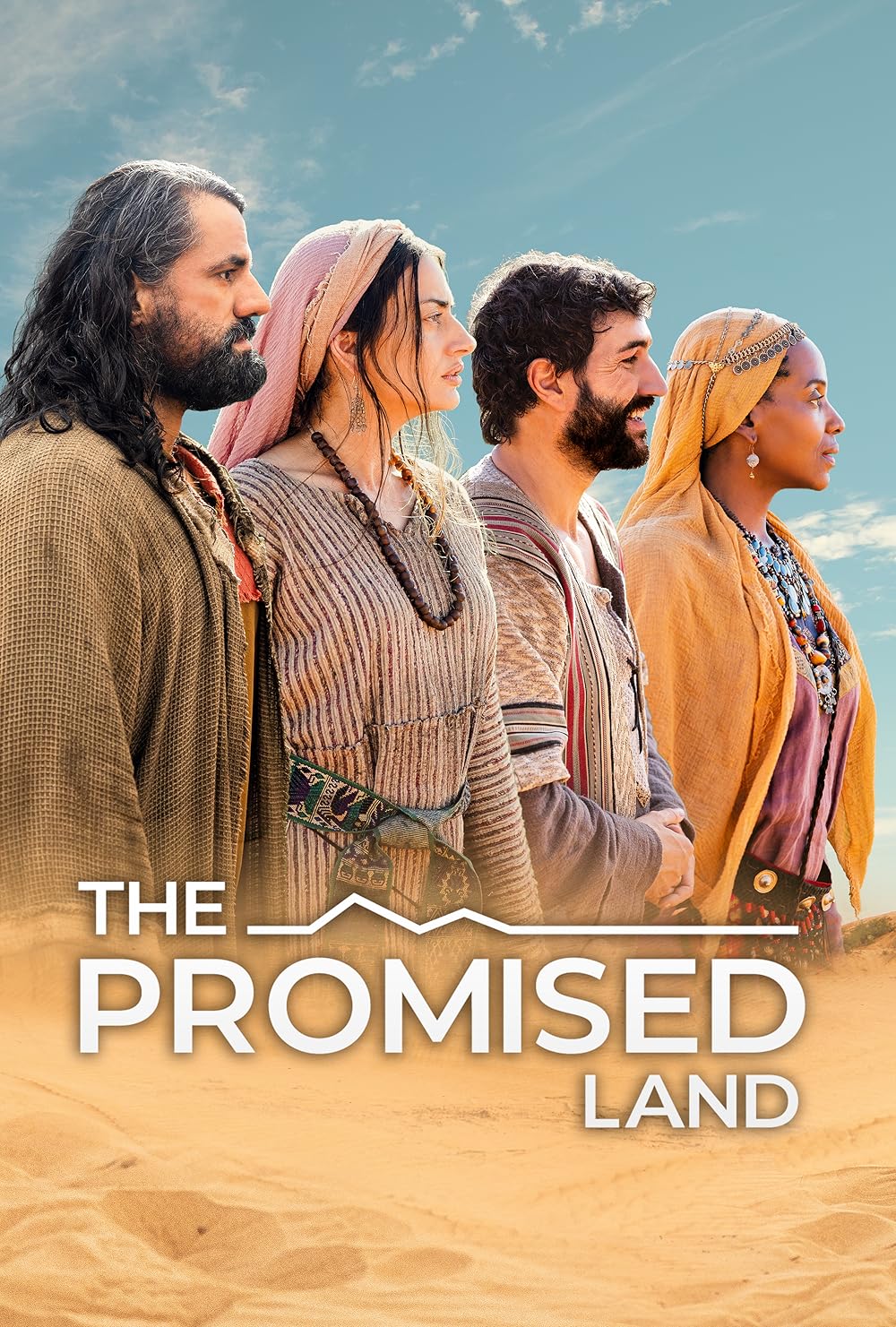
The Promised Land isn’t just another retelling. It’s an ambitious and joyful attempt to humanize iconic spiritual figures with humor, humility, and heart. It’s not perfect and some episodes land better than others, but at its best, it makes you laugh with Moses, cringe with Miriam, and think about what leadership really means. Whether you’re watching it on Angel Network or on YouTube, it’s worth giving the first few episodes a shot (especially if you like comedy with a conscience).
Rating: ⭐⭐⭐⭐½ (4.5/5 sandaled feet)
Because yes: sometimes leading thousands through the wilderness is kind of like a dysfunctional office team building retreat.
Discover more from What Grace Looks Like
Subscribe to get the latest posts sent to your email.



Leave a Reply