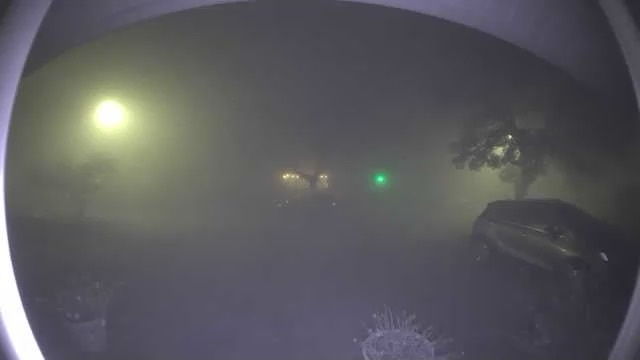
I’ve lived in Toledo long enough to know that our city has its share of problems, but hearing that people in North Toledo were being forced to leave their homes because of a hazardous chemical release was disturbing. Most of us go about our daily routines without giving much thought to whether the air outside is safe to breathe. We wake up, go to work, run errands, and come home expecting things to be relatively normal. We don’t spend our evenings wondering whether something happening at a nearby industrial facility could suddenly put our families in danger. Yet that’s exactly the kind of uncertainty some Toledo residents experienced Tuesday night, and it continued into Wednesday as emergency crews worked to get the situation under control. What happened wasn’t simply another troubling story on the evening news. It happened right here in our community, in neighborhoods where people live, work, and raise their families.
The incident began Tuesday night at MC Tank Transport on Progress Avenue, where a tank containing a chemical called glycidyl methacrylate began releasing hazardous material. Residents living closest to the facility were ordered to evacuate, while thousands of others were instructed to shelter in place. Schools closed, roads were affected, and people spent hours waiting for information about what was happening and whether it was safe to return to their normal routines. I imagine most people in Toledo had never heard of glycidyl methacrylate before this incident, and suddenly we were learning about its potential health effects and the possibility of an explosion. That’s a frightening amount of information to process when all you’re trying to do is get through an ordinary week.
I keep thinking about the families who received those evacuation notices late at night. Imagine being home, perhaps getting ready for bed, when you’re suddenly told you need to leave because of a chemical emergency. What do you take when you don’t know how long you’ll be gone? Do you grab medications, important documents, a few changes of clothes, or whatever happens to be nearby? What if you have small children who are frightened and don’t understand what’s happening? What if you have pets, an elderly parent, or someone in your household who depends on medical equipment? An evacuation may sound straightforward when officials announce it, but for the families experiencing it, the situation can be overwhelming. And I can’t imagine that the people who were told to remain inside their homes felt much better, especially when they were left wondering whether the air outside their windows was dangerous.
Something else that bothers me is how differently people experience emergencies depending on their circumstances. Some residents can get into a vehicle, drive to a relative’s house, and wait until they’re allowed to return home. Others don’t have reliable transportation, nearby family, or money for unexpected expenses. Some people may have difficulty leaving because of disabilities or medical conditions. Parents may have to miss work or scramble to arrange childcare, and older residents may need assistance they don’t know how to access. We sometimes talk about evacuations as though everyone has the same ability to leave, but that simply isn’t reality. When officials develop emergency plans, I hope they’re considering the people who have the fewest resources and may need the most help.
The school closures also made me think about how far the effects of an emergency can reach. For some families, a school closing is an inconvenience that means changing plans for the day. For others, it creates a much bigger problem. Parents may have jobs that don’t allow them to stay home without losing pay, and not everyone has someone available to watch their children. Some students depend on school for meals, stability, and access to services that help their families get through the week. I understand why schools needed to take precautions, and I would much rather see officials err on the side of safety when children are involved. Still, the disruption is a reminder that an incident at one industrial facility can affect people who live miles away and have no connection to the company involved.
Toledo has a long industrial history, and I understand that manufacturing, transportation, and related businesses are an important part of our local economy. These industries provide jobs, support families, and contribute to the community in ways we shouldn’t overlook. I’m not suggesting that every business handling hazardous materials is doing something wrong or that industrial operations don’t belong in our city. But I do believe companies working with dangerous chemicals have an enormous responsibility to the people living nearby. Economic development and public safety shouldn’t be treated as competing priorities where one must be sacrificed for the other. People should be able to earn a living at these facilities, and residents should be able to feel safe in their homes. I don’t think that’s asking too much.
I also want to acknowledge the firefighters, emergency medical personnel, environmental specialists, law enforcement officers, and everyone else who responded. While many of us were watching the news or checking our phones for updates, these individuals were out there dealing with a hazardous situation that had the potential to become even more dangerous. I can only imagine the pressure of making decisions when you’re working with a chemical that presents serious safety concerns and conditions could change unexpectedly. Emergency responders don’t always have the luxury of waiting until every question has been answered before taking action. I’m grateful that we have people willing to do that kind of work, and I hope they receive the recognition and support they deserve.
At the same time, appreciating the emergency response doesn’t mean we should avoid asking difficult questions about how this happened. I don’t want to accuse anyone of wrongdoing before the facts are established, but I do want answers. What went wrong with the tank or the process being performed? Were the proper safety procedures being followed? Was there an equipment problem, a mistake, or something that should have been caught earlier? Could the release have been prevented, and what changes will be made to reduce the likelihood of another incident? These aren’t unreasonable questions, and I don’t believe asking them makes someone anti-business. When something happens that puts an entire neighborhood at risk, the public deserves to understand why.
One of my biggest concerns is what happens after the immediate emergency is over. Eventually, evacuation orders are lifted, roads reopen, schools resume classes, and the news moves on to something else. But what about the people who lived closest to the release? What about anyone who experienced burning eyes, a sore throat, breathing difficulties, or other symptoms they believe may be connected to the incident? Those residents deserve clear information about what the environmental testing revealed and whether there are any health concerns they should discuss with a medical professional. I don’t believe every chemical incident automatically leads to long-term health problems, and I wouldn’t want to frighten people by suggesting otherwise without evidence. But I also don’t think people should be expected to stop asking questions simply because the most immediate danger has passed.
I believe public trust depends on what happens next just as much as what happened during the emergency. Residents need accurate information, and they need to know that the people responsible for investigating the incident are willing to share what they learn. If mistakes were made, those mistakes should be acknowledged. If procedures need to change, the public should be told what changes are being made. And if additional environmental monitoring or health guidance is necessary, that information should be accessible to the people who need it. I don’t expect officials to have every answer while an emergency is unfolding, but I do expect honesty about what is known, what remains uncertain, and what steps are being taken to find out more.
Communication during an emergency can make an already frightening situation either more manageable or more confusing. People need to know whether they should evacuate, shelter in place, avoid certain roads, or seek medical attention. They shouldn’t have to piece together instructions from rumors, screenshots, and conflicting social media posts. I understand why people turn to Facebook and other platforms when something serious is happening nearby. Everyone wants information, especially when family members or friends may be affected. But social media can also spread speculation faster than officials can confirm the facts. During a public health emergency, accurate information matters more than being the first person to share an update.
Maybe what has stayed with me most is how quickly an ordinary evening can turn into something completely unexpected. People went to work Tuesday, came home, made dinner, helped their children with homework, and probably planned to get up and do it all again Wednesday. They weren’t expecting to be told to leave their homes or close their windows because of a chemical release. It makes you realize how many things we take for granted. Most of us never think about whether the air outside is safe because we have no reason to question it. We assume the businesses operating near our neighborhoods are following appropriate safety procedures, and we trust that someone is making sure those procedures are adequate. When something like this happens, that sense of security can be shaken.
As a Christian, I found myself thinking about the families affected and praying that everyone would be safe, especially those who had to leave their homes and the emergency workers who were responding. But I don’t believe every frightening event needs to be turned into a spiritual lesson. Sometimes the most meaningful response is simply to care about the people going through it. I hope neighbors checked on one another, particularly elderly residents and people who may have needed assistance. I hope families who had nowhere to go were able to find somewhere safe, and I hope anyone experiencing health concerns receives the attention they need. Prayer matters to me, but so does showing concern through our actions when people in our community need help.
What I don’t want is for this incident to become yesterday’s news before the important questions have been answered. I know how quickly the news cycle moves, and I understand that people have their own responsibilities and problems to deal with. But the residents who were directly affected may continue thinking about this long after the emergency vehicles are gone. They may wonder whether their neighborhood is safe, whether they were exposed to something harmful, and what could happen if another accident occurs. Their concerns shouldn’t disappear simply because the rest of the city has returned to normal. If the investigation identifies problems that need to be addressed, I hope those findings lead to meaningful improvements rather than becoming another report that receives attention for a few days and is eventually forgotten.
I love Toledo, even with all its imperfections. I’ve spent enough of my life here to feel connected to this city and the people who call it home. That’s why something like this bothers me. These aren’t strangers in some distant place. They’re our neighbors, coworkers, friends, and families. We can appreciate the jobs local industries provide while still expecting them to operate safely. We can thank our emergency responders while still asking whether there are lessons to be learned from the response. And we can be relieved that the immediate danger has eased without pretending every question has been answered. None of those positions contradicts the others. To me, they reflect what it means to care about the community we share.
As I reflect on what happened in North Toledo, I keep coming back to one thing: people deserve to feel safe in their own homes. I know no city can completely eliminate the possibility of accidents, and I don’t expect every emergency to be prevented. But I do expect businesses and public officials to take reasonable precautions, respond responsibly when something goes wrong, and learn from incidents that put residents at risk. I hope everyone affected is doing okay, and I hope the people who were frightened or displaced are getting the support and answers they need. Most of all, I hope we don’t forget that behind every evacuation number is a real person, a family, and a home. Those are the things worth protecting, and they should remain at the center of this conversation.
Discover more from What Grace Looks Like
Subscribe to get the latest posts sent to your email.



Leave a Reply