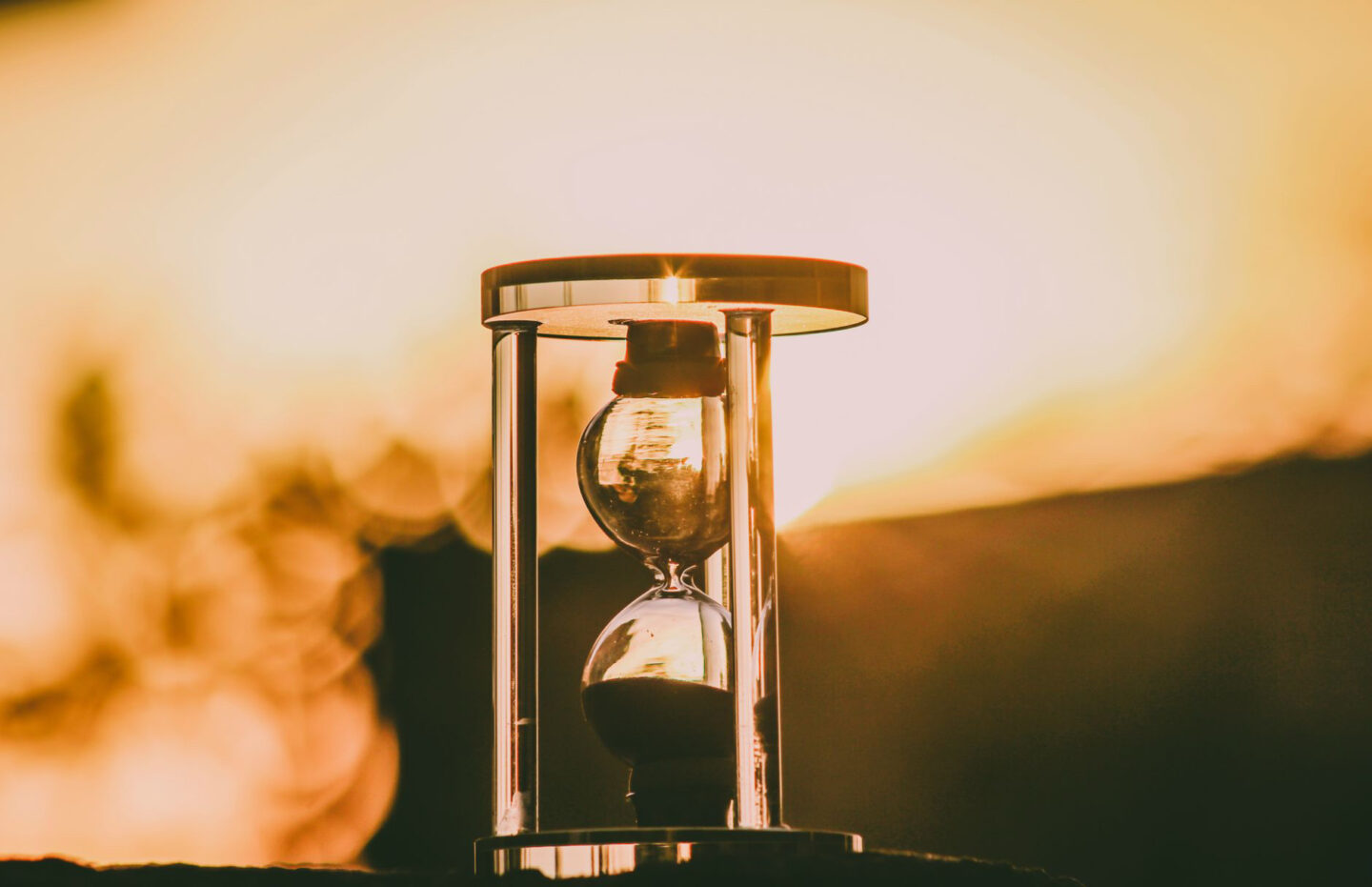
I can believe that God is able to do something and still become frustrated wondering when He is going to do it. That is one of the more complicated parts of faith for me. Believing in God’s power isn’t always the struggle. Sometimes the struggle is believing that His timing can be trusted when it looks nothing like mine.
There are prayers that feel easy to pray at first. You bring something to God, believe He hears you, and wait with expectation. Maybe you even imagine how the answer will come. Then a week passes. A month passes. Sometimes years pass. The situation remains exactly where you left it, except now you are carrying the additional question of why God hasn’t changed it.
Waiting sounds much more peaceful when we talk about it after the answer has already arrived. We can look backward and say that everything happened at the right time. Living through the waiting is different. There is uncertainty in it. There are days when faith feels strong and other days when you wonder whether you misunderstood God completely.
I think one reason waiting is so difficult is because we live in a world that has trained us to expect speed. I can order something without leaving my house and sometimes receive it the same day. I can send someone a message across the country and become impatient if they don’t respond quickly enough. I can search for an answer to a question in seconds. Technology has shortened the waiting period for so many things that waiting itself can feel like evidence that something has gone wrong.
Prayer does not work like that.
I cannot select express delivery for an answer from God. There is no tracking number telling me that my blessing is six stops away. There is no estimated arrival time. I pray, and sometimes the answer comes quickly. Other times I hear what feels like silence.
That silence can be difficult because it leaves room for doubt. Did God hear me? Is the answer no? Am I supposed to keep praying? Am I supposed to do something differently? Is there something I haven’t learned yet? Have I somehow blocked my own blessing? Christians can ask themselves a lot of questions when God doesn’t move according to the schedule we expected.
I have had to be careful with the idea that every delay means I am doing something wrong. Sometimes Christian conversations about unanswered prayer can unintentionally place an enormous burden on the person who is waiting. Maybe you need more faith. Maybe you haven’t prayed correctly. Maybe you need to fast. Maybe you need to speak positively. Maybe there is some hidden lesson God refuses to move past until you finally figure it out.
I don’t believe our relationship with God is a puzzle where the correct combination of spiritual behaviors forces Him to give us what we want.
Scripture is full of people who waited. Abraham and Sarah waited years for the son God had promised them. Joseph experienced betrayal, slavery, and imprisonment before reaching the position that would eventually allow him to help his family. David was anointed king long before he actually sat on the throne. The Israelites waited generations for the promised Messiah. Waiting is not presented in the Bible as evidence that God has forgotten someone.
That doesn’t make waiting enjoyable.
Sarah’s story is particularly interesting to me because she did what many of us are tempted to do when God’s timing seems too slow: she tried to help the promise along. Genesis tells us that Sarah gave Hagar to Abraham in an attempt to produce the child she had been waiting for. The decision created consequences that nobody needed.
I understand the temptation more than I would like to admit.
When I have prayed about something for a long time, eventually I start thinking about what I can do to make it happen myself. Sometimes action is exactly what faith requires. If I am praying for employment, I should probably fill out applications. If I am praying about a relationship problem, a conversation may be necessary. Prayer isn’t an excuse to avoid doing what is clearly within my responsibility.
The challenge is knowing the difference between taking a wise step and forcing something because I am tired of waiting.
That requires discernment, and discernment isn’t always obvious. Sometimes the opportunity in front of me is an answer to prayer. Other times it may simply be an opportunity. Not every open door was necessarily opened by God, just as every closed door isn’t necessarily God telling me no.
I think this is why waiting can become such an important part of spiritual maturity. It forces me to confront how much of my faith depends on getting the outcome I want. It is easy to say I trust God when His answer agrees with me and arrives on schedule. Trust becomes much more difficult when I have to admit that God may know something I don’t.
Isaiah 55:8–9 reminds us that God’s thoughts and ways are higher than ours. I have heard those verses many times, but living as though I believe them is harder. I naturally assume my preferred outcome is the correct one. I know what I want to happen, how I want it to happen, and usually when I would like it to happen.
Preferably soon.
But if I genuinely believe God sees what I cannot see, then I also have to accept that there may be reasons for timing that I cannot understand from where I am standing.
There are things I once desperately wanted that I am now grateful didn’t happen. There are situations where a delay eventually made sense because I learned something, avoided something, met someone, or changed in a way I couldn’t have predicted. Looking backward makes it easier to recognize that what felt like rejection at the time may have been protection or redirection.
However, I also want to be careful about turning every delay into a neat inspirational story. Sometimes I still don’t understand why something took so long. Sometimes the outcome wasn’t what I hoped for at all. There are prayers that don’t end with the testimony we imagined.
Faith has to be able to survive those situations too.
One of the verses I return to is Psalm 27:14: “Wait on the Lord: be of good courage, and he shall strengthen thine heart.” I notice that the verse doesn’t pretend waiting requires no strength. In fact, it connects waiting with courage. Maybe that is because continuing to trust when you cannot see movement requires a different kind of strength than receiving an immediate answer.
Waiting also exposes how much control I want. I may tell God I am placing something in His hands while mentally giving Him detailed instructions about what He should do with it. I want His will as long as His will resembles my plan. When it doesn’t, surrender becomes much less theoretical.
That is an uncomfortable thing to admit, but prayer has a way of revealing it.
I am learning to pray more honestly about that. Instead of pretending I don’t have a preference, I can tell God exactly what I want. Scripture gives plenty of examples of people bringing specific requests to Him. I don’t think surrender requires becoming emotionally indifferent to the outcome. Jesus Himself prayed in Gethsemane about what He desired while ultimately submitting to the Father’s will.
There is room in prayer for both desire and surrender.
I can say, “God, this is what I want,” and still finish with, “But I trust You with what I cannot see.”
Some days I mean that with confidence. Other days I may have to repeat it until my emotions catch up.
I also think waiting becomes easier when I stop treating the waiting period as wasted time. My life is still happening while I wait for something else to happen. I don’t want to become so focused on the unanswered prayer that I ignore everything God has already placed around me.
There may be relationships to enjoy, work to do, people to help, things to learn, places to go, and ordinary days worth appreciating right now. I can continue praying for tomorrow without refusing to live today.
That doesn’t mean I stop hoping. Hope is part of faith. I can keep bringing the same request to God. Jesus taught persistence in prayer, and I don’t believe we need to become embarrassed because we have prayed about the same thing many times.
I simply don’t want my peace to depend entirely on when the answer arrives.
That is the part I am still learning.
God’s timing may always be one of the harder parts of faith for me because I am human and humans like schedules. I like knowing what is going to happen. I like plans, explanations, and preferably some advance notice.
Faith doesn’t always give me those things.
Sometimes faith gives me enough light for the next step and asks me to trust God with everything beyond it.
I may not understand why the answer hasn’t come yet. I may eventually understand, or I may never fully understand. What I can do is continue praying, continue using wisdom, continue doing what is mine to do, and continue living while I wait.
Maybe trusting God’s timing isn’t reaching a point where waiting no longer bothers me. Maybe it is being able to say, honestly, that I wish He would hurry up while still believing that He hasn’t forgotten me.
For where I am in my faith right now, that feels honest enough.
Discover more from What Grace Looks Like
Subscribe to get the latest posts sent to your email.



Leave a Reply